

Oilless Air Compressor Wholesale from Leading Manufacturers
As an experienced B2B purchaser, finding reliable, efficient solutions is my top priority. That’s why I appreciate the value of an oilless air compressor. With its innovative design, it provides clean, oil-free air, making it ideal for industries where air quality matters the most. When sourcing these compressors, I often look for wholesale options from trusted manufacturers to ensure I’m getting the best quality at competitive prices. The durability and low maintenance requirements of oilless air compressors not only enhance productivity but also reduce operational costs. Partnering with reputable manufacturers ensures that I get the latest technology and reliable support. Whether I’m outfitting a new facility or upgrading equipment, oilless air compressors have consistently met my expectations and proven to be a wise investment for the long haul. If you’re in the market for a dependable air solution, these compressors are definitely worth considering for your operations.
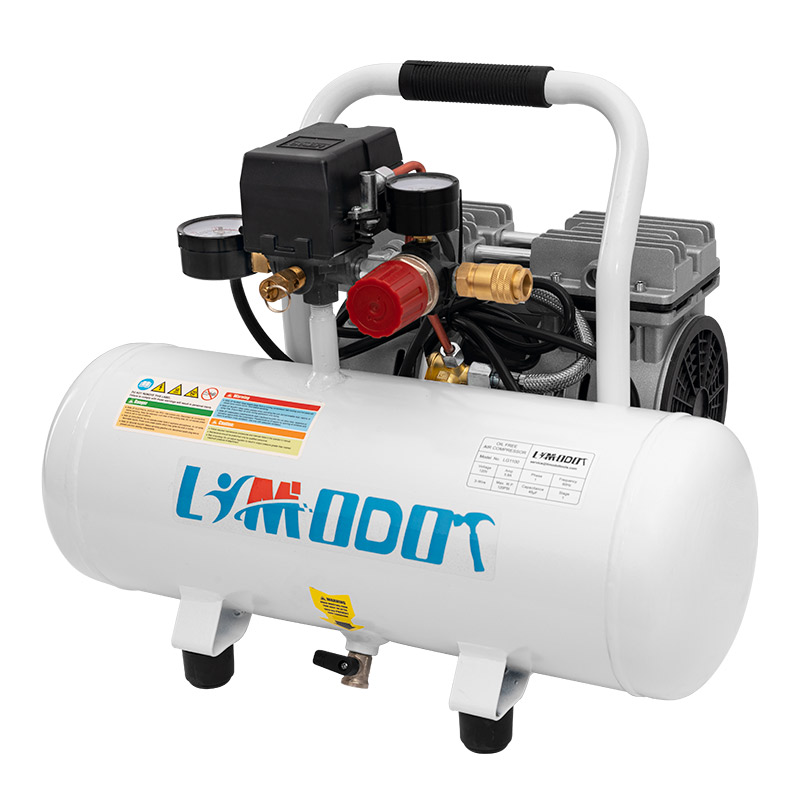


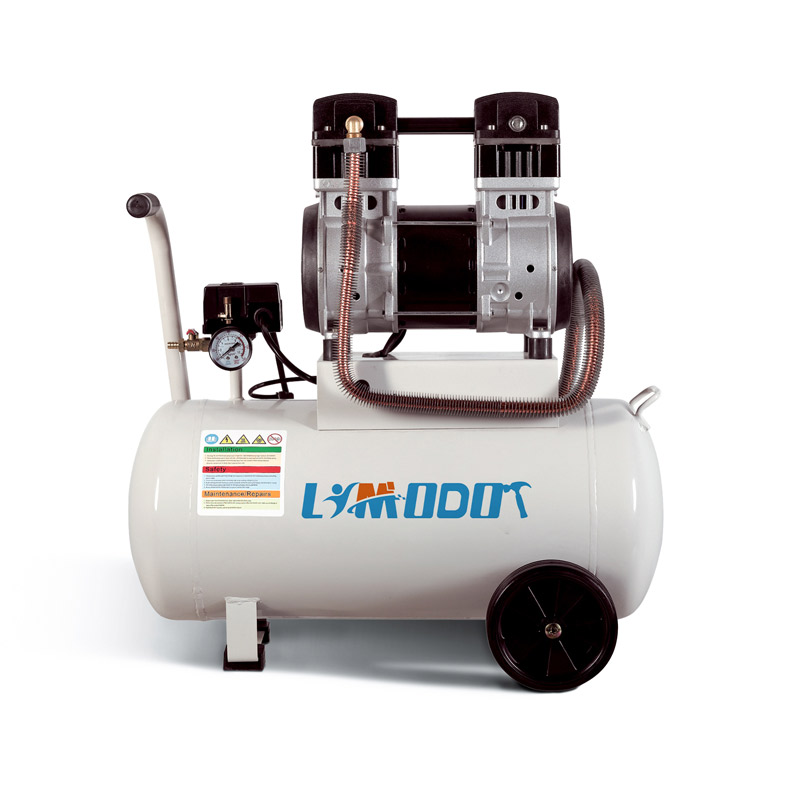
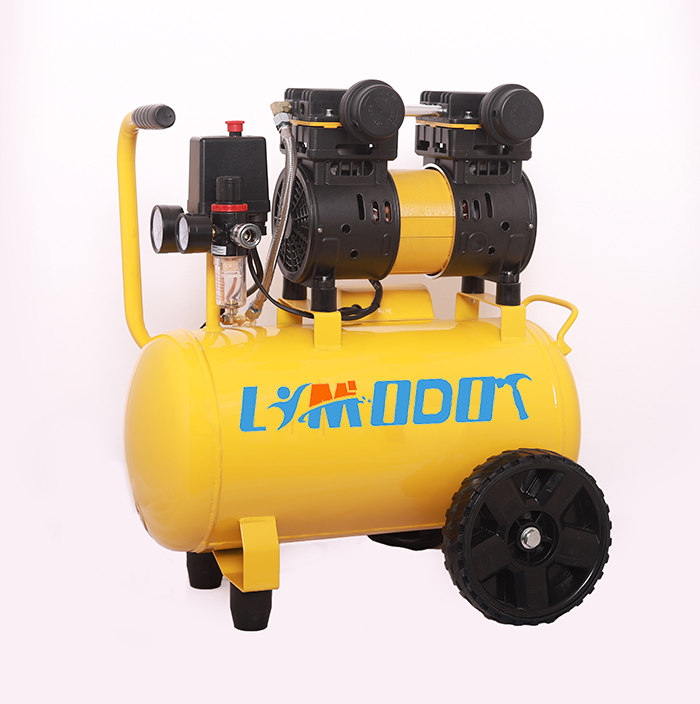
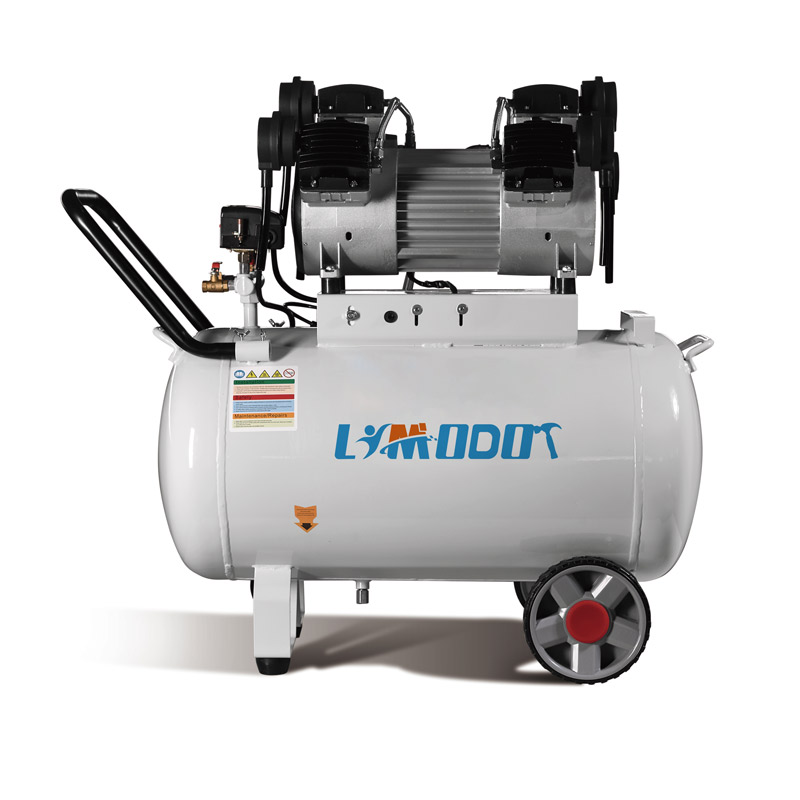
Oilless Air Compressor in 2025 Factory-Direct Excellence
As we look towards the future of industrial equipment, the oilless air compressor stands out as a pivotal innovation for factories seeking efficiency and sustainability. By 2025, the demand for high-performance, low-maintenance machines will be at an all-time high, driven by the need for eco-friendly operations and cost-effective solutions. Oilless air compressors, designed to operate without lubricant, provide numerous advantages for manufacturers, including cleaner air output and reduced maintenance costs. This technology not only enhances the productivity of factories but also aligns with global trends toward greener manufacturing processes. Investing in factory-direct excellence eliminates intermediaries, allowing businesses to access cutting-edge products tailored to their specific needs. Ensuring rigorous quality controls during manufacturing and offering competitive pricing, direct purchasing significantly benefits procurement strategies. Procurement professionals should prioritize suppliers who commit to transparency and support sustainability initiatives, creating a win-win for both parties involved. The evolution of oilless air compressors reflects broader shifts in the industrial landscape, with innovation being vital for businesses aiming to stay competitive. By integrating these advanced compressors into their operations, manufacturers can enhance their efficiency, reduce their carbon footprint, and ultimately drive long-term success in a rapidly changing market.
Oilless Air Compressor in 2025 Factory-Direct Excellence
| Model | Power (HP) | Max Pressure (psi) | Air Flow Rate (CFM) | Weight (lbs) | Features |
|---|---|---|---|---|---|
| Model A | 1.5 | 125 | 6.5 | 45 | Compact, Lightweight |
| Model B | 2.0 | 150 | 8.0 | 50 | Low Noise, Energy Efficient |
| Model C | 3.0 | 175 | 10.5 | 65 | Oil-Free, Durable Design |
| Model D | 4.0 | 200 | 12.0 | 80 | Heavy-Duty, Portable |
Related Products


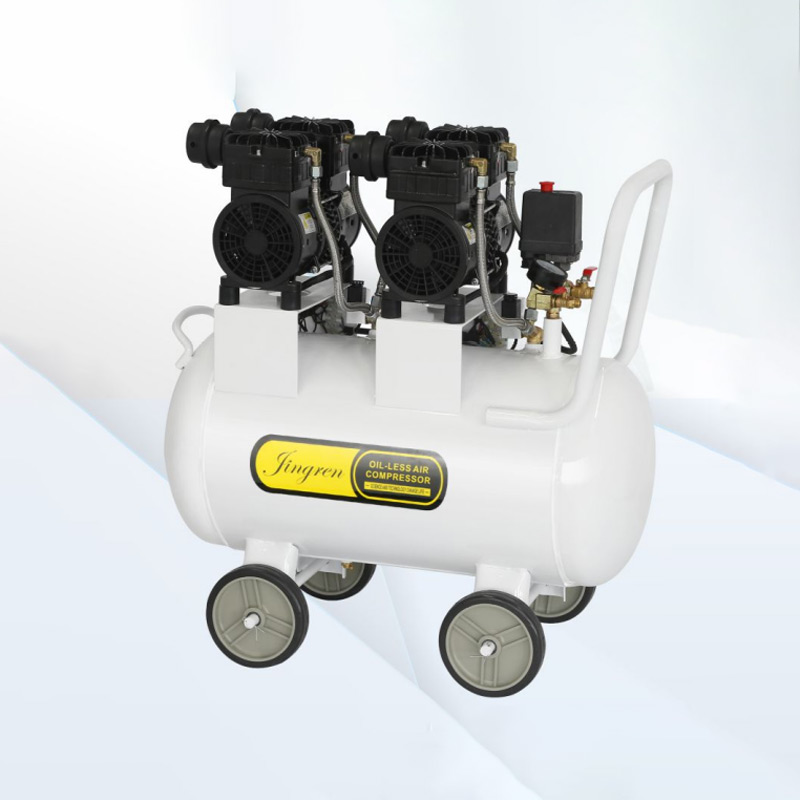



Oilless Air Compressor Exceeds Industry Benchmarks Custom Solutions,
Top Selling Products

- Related Blog
- Reviews
